
Why a Law Firm Website Should Be Built for Intake, Not Just Appearance

Did you ever land a date with someone really attractive, only to suffer a case of extreme disappointment when you realized that the person could not carry on a conversation and, other than looks, had nothing else appealing to offer? Unfortunately, many lawyer website designs suffer from this same problem. They are really pretty to look at, but not functional.
When you are dating, the fact that someone is charming, smart, or funny often matters far more than looks. Legal websites do not enjoy this advantage. They have to be the total package: professional-looking, intuitive, engaging, and built to convert. At PaperStreet, we know that the best legal website design balances branding, usability, SEO, and conversion optimization. Our job is to make sure that our clients’ legal websites are not just a pretty face.
Your Website’s Primary Job Is to Generate New Clients
Before the internet, most law firms used glossy firm brochures or informational folders as marketing tools. In the early days of internet legal marketing, legal websites were essentially digital versions of this brochure. Those days are far behind us. Firms that make effective use of digital legal marketing understand that the primary purpose of the firm’s website is to cultivate prospects and generate new clients. Your website is a business development tool.
Begin with the end in mind. Your visitors arrive with a legal problem and are looking for someone they can trust to help them solve it. On websites designed with a conversion focus, every page should move them one step closer to contacting the firm. Think of the process as a funnel (or a line for an attraction at Disney World). Once the prospective client lands on your site, every click counts. They should be able to answer their general inquiry and then find the detailed information that assures them they are in the right place, ultimately leading to contact.
Make It Easy for Prospective Clients to Take the Next Step
In the days of glossy brochures, the firm’s telephone number was the primary method of contact for prospective clients. The law firm’s phone number seldom appeared on every page of the brochure. A surprising number of law firms have carried this thinking into the digital age. A website that makes it difficult to contact is unlikely to convert. To be built for intake, a website should have:
- Prominent phone numbers: Don’t make prospective clients play hide-and-seek. If they’re ready to call, your phone number should be impossible to miss.
- Click-to-call functionality: Mobile users should be able to contact your firm with a single tap, rather than copying and dialing your phone number.
- Simple contact forms: A short, straightforward contact form is far more likely to generate inquiries than one that feels like paperwork.
- Live chat or text messaging, where appropriate: Offering these options can make it easier for prospective clients to take the first step.
- Strong calls to action: Every page should clearly tell visitors what to do next, whether that is calling your office, scheduling a consultation, or completing a contact form.
Access your site. Conduct a quick audit of your intake process. Play the role of the prospective client. Is it clear what they need to do to take the next step? Repeat this from your cell phone on Wi-Fi. Then find your least tech-savvy friend or family member and ask them to try this and report back to you on what they experience. Remove any unnecessary friction that discourages inquiries.
Content Should Answer Questions Before Selling Services
The people visiting your website who are seeking information and/or legal counsel share some common traits. First, it is very unlikely they are attorneys or even the family members or close friends of attorneys. The fact that they are looking for information on your website indicates this. They do not already know the answer or have anyone they feel comfortable discussing the issue with. Second, very few people scroll legal websites for entertainment. They have a real concern, and it is often urgent.
Websites that are built for intake account for these facts. The content on your website should be informative. Content that converts consistently does the following:
- Is written for prospective clients, not other lawyers.
- Explains legal issues in plain language.
- Addresses these common concerns:
- Do I have a case?
- What happens next?
- What will this cost?
- Educates using practice area pages while naturally encouraging consultation requests.
- Incorporates the keyword naturally.
Your content should not seem like a used car salesman, or even a new car salesman, for that matter. The primary purpose of your content is education. Content that does this job, when written correctly and backed by a well-designed website, will also drive conversions without making people feel they are being sold something.
User Experience Matters as Much as Visual Design
While your website does need to look professional, it does not need to be the most attractive person in the room to get attention. Much like dating, sometimes the prettiest girl sits home alone on Saturday night, while girls who are not as pretty get lots of dates. The reason for this phenomenon is that they are approachable. With legal web design, a superb user experience requires:
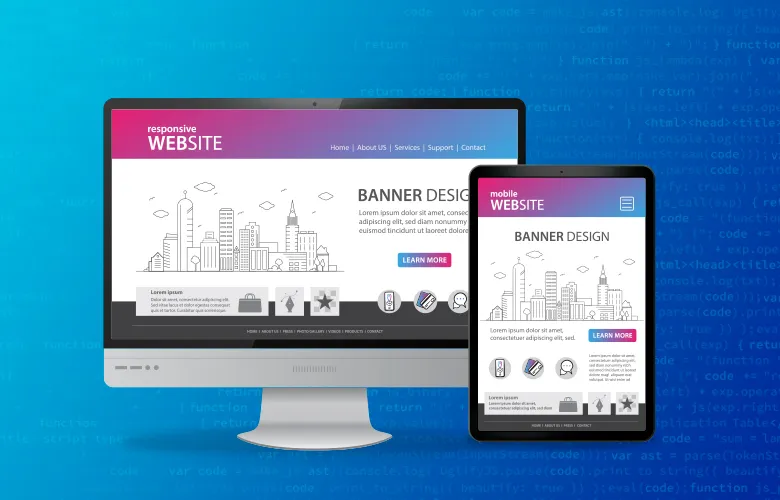
- Mobile-first design: Because so many prospective clients search for lawyers on their phones, your website should work just as well on a small screen as it does on a desktop.
- Fast-loading pages: A slow website can send impatient visitors looking for another attorney before they ever see what your firm has to offer.
- Intuitive navigation: Visitors should be able to find the information they need without having to wonder where to click next.
- Readable typography: Even the best content loses its value if the font is difficult to read or the text is packed too tightly together. Focus on clear typography.
- Accessibility considerations: An accessible website helps ensure that everyone, including visitors with disabilities, can easily navigate your content and contact your firm.
- Professional photography over generic stock images: No legal website needs more gavels or courthouse stock pictures! Authentic photos of your attorneys and office help build credibility in a way that stock images simply cannot.
The visitor to your website is not picking a prom date. They are seeking a professional to whom they can entrust an important issue. Small things, like page load speed and intuitive navigation, send trust signals. When someone is searching the internet for an attorney, their gut instinct about trustworthiness often determines whether they take action. If your website does not provide a smooth user experience, it is subtly screaming, “Beware.”
SEO and Intake Should Work Together
Good SEO brings visitors to a website. Good design converts them. To be built for intake, your website has to seamlessly handle any and all traffic your SEO drives to it. If your SEO is doing its job, your intake will need to be the digital equivalent of a speed dating master. When a prospective client hits the page, your intake must be designed to make sure the visitor is easily able to access the information they need:
- Practice area content: Every practice area page should clearly explain what you do, who you help, and how prospective clients can take the next step.
- Internal linking: Strategic internal links help visitors quickly find related information, rather than forcing them to start a new search.
- FAQs and Blogs: Frequently asked questions and informative blog posts answer common concerns while demonstrating your firm’s knowledge and experience.
- Technical performance: A fast, secure, and reliable website keeps visitors engaged and gives them confidence in your firm before they ever pick up the phone.
It’s good to be popular, but rankings alone don’t generate clients if visitors don’t feel that their issue is important to your firm. Once a prospective client has reached out, make sure your internal intake team provides the level of service that makes the prospective client feel like your firm’s highest priority. At PaperStreet, we know that an attractive web design builds credibility, but intake-focused design and service build the practice. Do you want to make your website the total package? Contact us today to get started.
What you should do next . . .

We create law firm website designs. Well . . . actually we create stunning, professional websites that get results for our clients. Since 2001, PaperStreet has been helping law firms grow their legal practices.
Join our newsletter, where you will learn educational info on latest insights, tips and best practices.
Share:
About Us
Did you know more than 200 clients have worked with PaperStreet for more than 10 years?
Get a Free Website
Analysis and Consultation
Marketing Services