

Law Firm Website Templates: When to Use Tried and True Layouts
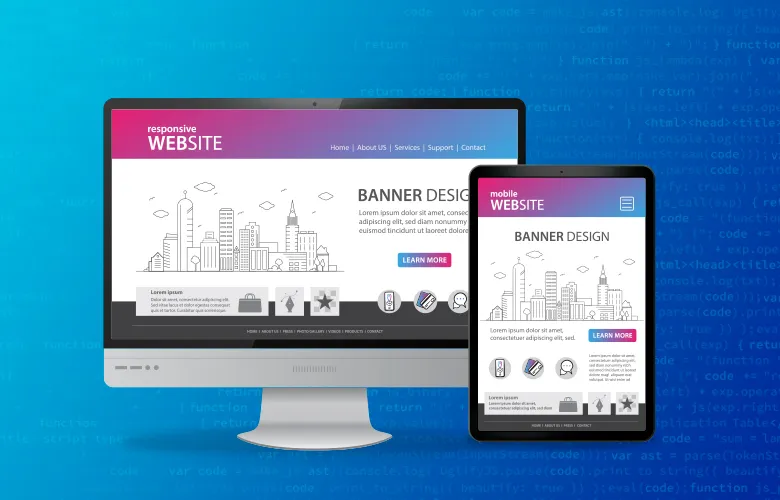
Raising the topic of law firm website templates in a room full of digital marketing professionals is a lot like bringing up boxed wine in a room full of wine snobs. To a group of wine purists, the boxing of wine for the masses is a desecration of grapes. However, get them alone in a corner, and many of these same people will admit that some boxed wines are not bad and can be a cost-effective way to fill glasses in a crowded room. The same can be said for law firm website templates. The better ones can be a great solution. However, like cheap wine, some templates are better avoided.
At PaperStreet, we love to build cutting-edge, award-winning, one-of-a-kind websites. However, we realize not every firm’s budget can afford this. For law firms just starting out or facing an immediate need to increase revenue, there are template solutions that can get the job done cost-effectively. After all, when you are thirsty, sometimes waiting until you can afford the best vintage is not an option. Even firms building a customized website can benefit from the balance of proven layouts. The structure templates follow can ensure that your cutting-edge website isn’t so cutting-edge that potential clients and web crawlers cannot find what they’re looking for.
Why Law Firm Website Templates Exist
Early websites in the 1990s were almost entirely hand-coded page by page, often by solo web designers or small firms. Every new client site was essentially built from scratch in HTML. Early law firm sites were designed like a standard law firm brochure with firm information, bios, and maybe some practice area information. The sites were static and really weren’t designed to do much beyond providing basic information. These sites were flash-heavy, difficult to update, and, by today’s standards, not search engine optimized.
Before templates existed, every legal website was essentially completely customized. Lawyers were paying large sums for sites that aged quickly, broke easily, ranked poorly, and required developer involvement for every change. As the internet evolved, developers realized that websites in the same industry often shared many structural elements. Instead of reinventing the wheel every time, developers began reusing prebuilt page structures. Those reusable frameworks became “templates.”
The biggest shift in the industry came in the mid-2000s with the rise of platforms like WordPress. By introducing elements such as themes, reusable page structures, and plugins, WordPress makes website building and maintenance accessible to non-coders. Agencies could build sites faster, reduce coding costs, and maintain sites more easily.
Then came the rise of search engine optimization (SEO). Agencies began to notice patterns. Some navigation styles ranked higher. Some layouts converted better. As SEO developed, they discovered that responsiveness, page speed, and clean site architecture mattered. Over time, firms realized that “creative” designs often underperformed simpler layouts. Agencies began building internal frameworks based on this information.
Another reason templates emerged is that law firm websites all need similar things. A criminal defense firm in Texas and a PI firm in Florida still both need attorney bios, practice area pages, calls to action, intake forms, reviews, and mobile usability. There are only so many effective ways to organize that information. Eventually, agencies stopped asking how to make every site different and instead started to ask how to make every site effective. Most established legal marketing agencies today have their own starter frameworks, reusable modules, conversion-tested layouts, internal themes, and code libraries.
What Makes a Good Law Firm Website Template?
Like a good boxed wine, a good law firm website template distinguishes itself from the crowd. Good templates are built around user behavior and conversion strategy. Search engines also favor clean organization and usability. A good law firm website template has the following elements:
- Clear navigation: Potential clients should immediately understand where to click to find practice areas, attorney bios, contact information, and answers to common questions. Confusing navigation increases bounce rates and frustrates users already dealing with stressful legal issues.
- Strong attorney branding: Even when using a template, the website should still reflect the law firm’s identity, reputation, and personality. Professional photography, customized messaging, and consistent branding help distinguish one firm from another.
- Mobile responsiveness: A large percentage of legal website traffic now comes from mobile devices. A template should automatically adapt to phones and tablets without causing usability issues or distorted layouts.
- Fast load speeds: Slow websites hurt both user experience and SEO performance. Modern templates should be optimized to load quickly across devices and internet connections.
- Visible calls to action: Good templates make it easy for visitors to contact the firm. Phone numbers, consultation buttons, contact forms, and chat features should be visible without forcing users to search for them.
- Practice area organization: Legal websites often contain large amounts of content. Templates should organize practice areas logically to help both users and search engines understand the site structure.
- Contact forms and consultation buttons: A legal website ultimately exists to generate leads and consultations. Templates should make contacting the firm simple, intuitive, and accessible from multiple locations throughout the site.
- Space for reviews, case results, or testimonials: Potential clients want reassurance before contacting an attorney. Effective templates provide space for trust-building elements such as client reviews, testimonials, awards, memberships, and notable results.
While the best templates may differ in style and branding, most successful legal websites share several core features that help users quickly find information and feel confident contacting the firm. A good law firm website template should create a seamless experience for both potential clients and search engines.
When Does Using a Law Firm Template Make Sense?
There are times when serving a decent boxed wine makes sense, such as at informal events with lots of people. The same is true for well-designed law firm website templates. Templates often make sense for:
- Small and Mid-Sized Firms: These firms are looking for fast launch times, lower development costs, and easier maintenance.
- Firms Focused on Lead Generation: Such firms are looking for proven conversion-focused structures and landing pages designed for SEO and PPC.
- Firms Rebranding or Launching Quickly: For these firms, templates avoid long custom development waits and are easier to scale later.
For the above-mentioned types of firms, using a solid template makes the most sense. It will allow the law firm to get the site up and running without high costs or long build-out delays. When used properly, templates serve as a foundation for a website. It’s what you do next that matters. Customizing through branding, messaging, and content creates differentiation. Visual elements, such as photography of your staff and firm, make the template your own and help to build trust with potential clients.
When Do Templates Become a Problem?
While law firm website templates may make sense, they should be approached with some caution. A good template is readily customizable to your firm’s goals and market, and never feels cookie-cutter. The templates that make sense have quality elements and structure. Unfortunately, there are many templates available that are the equivalent of cheap box wine. Be cautious of templates that:
- Have overused designs that make the firm look indistinguishable from dozens of other legal websites. Potential clients should remember the firm, not feel like they have seen the same website five times already.
- Are not easily customized to the firm’s practice areas, market, branding, or long-term marketing goals. A good template should provide a strong foundation, not lock the firm into rigid limitations.
- Have weak branding or rely heavily on generic stock imagery such as gavels, courthouse columns, scales of justice, or anonymous handshake photos. These visuals often make a site feel impersonal and outdated rather than trustworthy and professional.
- Are bloated with unnecessary features, excessive plugins, or poorly written code that slows down load speeds and hurts both user experience and SEO performance. Slow websites frustrate users and can negatively impact search rankings.
Also, avoid templates that are not specifically built for law firms. One of the bonuses of using a law firm website template is its predictable structure, which is easy for both clients and search engines to navigate. Using templates that are not specifically designed for the legal industry loses this advantage.
Choosing The Right Template
Not all website providers approach templates the same way. Some agencies simply recycle the same design with little customization from one law firm to the next. When evaluating website providers, look for agencies with experience in the legal industry and review their portfolio examples carefully. Ask questions about SEO structure, scalability, responsiveness, and customization options. Most importantly, avoid one-size-fits-all providers that rely on generic designs without any personalization.
Ultimately, tried-and-true law firm website layouts work because they are familiar, functional, and conversion-focused. The most effective law firm websites combine proven structure with customization, branding, and SEO strategy. At PaperStreet, we help law firms build websites tailored to their practice goals, whether that means a fully custom design or a professionally customized template solution. Contact us today to get started.
What you should do next . . .

Join our newsletter, where you will learn educational info on latest insights, tips and best practices.
Share:
About Us
Did you know more than 200 clients have worked with PaperStreet for more than 10 years?
Get a Free Website
Analysis and Consultation
Marketing Services