

Law Firm Newsletters: Suggestions from Legal Content Writers
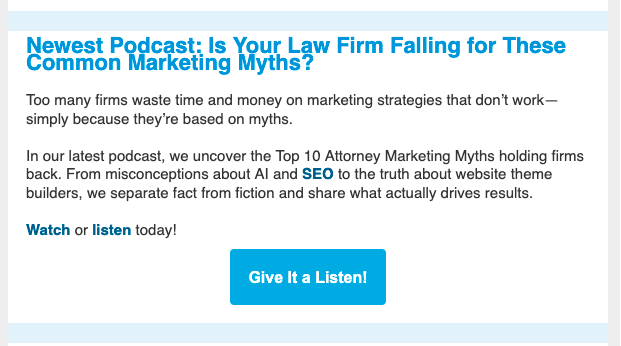
#1. Use Compelling Headlines
Incorporate attention-getting titles and headlines to increase click-through rates.

#2. Calls to Action
Always include a clear call to action, such as calling the firm or liking your Facebook page.
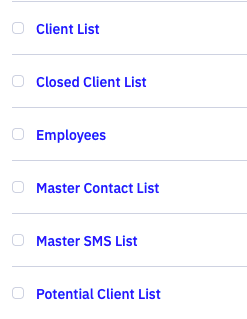
#3. Targeted Content
Customize the message to your audience so you speak directly to the reader. Consider segmenting your newsletters to each target audience you serve.
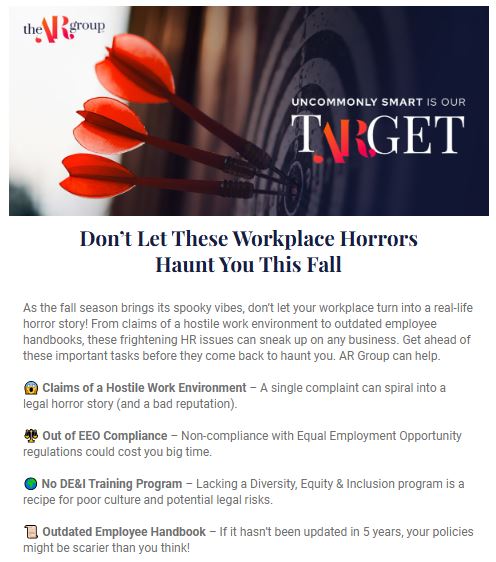
#4. Themed and/or Timely Content is Appealing
Newsletters that draw from seasonal events (i.e. the holidays, Super Bowl, etc.) or major news stories increase their own relevancy and are more likely to be read.
#5. Conversion-Friendly Design
Create a clean, modern newsletter design that aligns with your branding and maximizes conversions.

#6. A Compliant List is ALWAYS Best Practice
Make sure you have a legitimate subscriber list. That means no address book dumps, no purchased emails, and no “fishbowl” business card information.

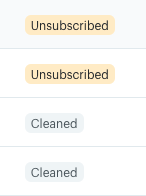
#7. Clean Up Your List
If you haven’t deleted inactive subscribers for a few years, it is high time to clean house. Ideally you should update your email list twice a year so it does not negatively impact your email deliverability. Don’t forget to send a win-back email before removing- you may just get a few subscribers who want to remain on your list.
#8. Personalize the Experience
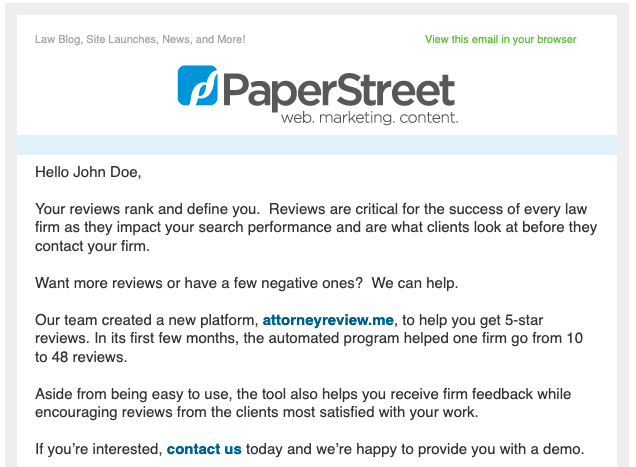
Personalization is the key to catching your audience’s attention in a sea of emails. List segmentation can help you tailor content to your subscribers’ interests resulting in a curated experience. You can also customize subject lines, use the recipient’s name and even send at specific times.
#9. Accessibility
Larger fonts, simplified text, good contrast, and basic layouts are important ways to make your newsletter content accessible to more readers.
#10. Campaign Interaction.
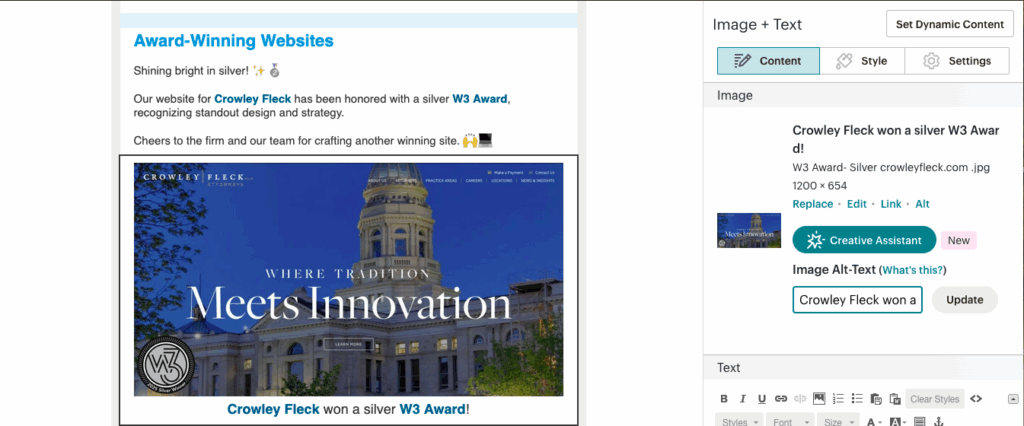
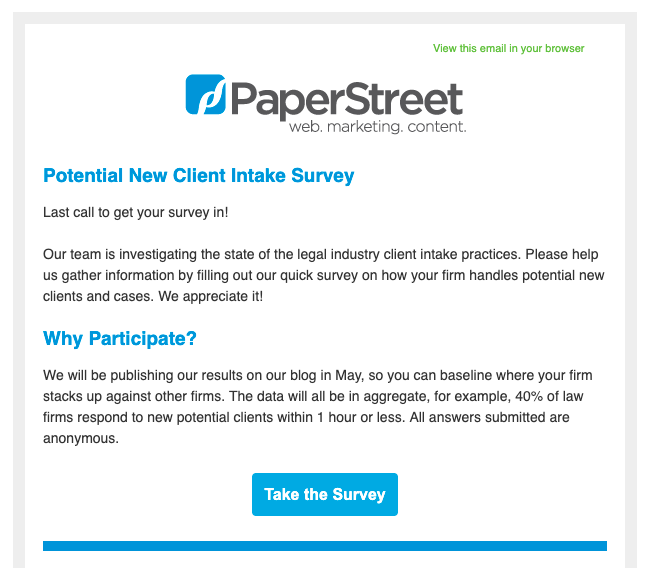
Interactivity is climbing the charts as a top email trend. Elements such as surveys, image carousels, games and videos can make your emails more enticing and encourage subscribers to engage with future campaigns.
#11. User Generated Content
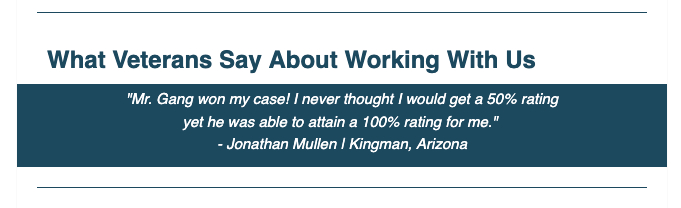
Consumers are more likely to use a service or product when they can see for themselves how others have interacted with it. Incorporating user-generated content into your newsletters helps portray your brand as trustworthy and is more influential than generic marketing copy.
#12. Data Privacy & Open Rates
New privacy settings from Apple impact what information companies can track – which means you may not be able to accurately track open rates for a majority of subscribers. Never fear though! Other metrics can help you measure the success of your campaigns for Apple users, such as conversion rate and list growth rate.

#13. Attention-Grabbing Subject Lines
Give the reader a reason to check out your content instead of sending it to the junk folder.

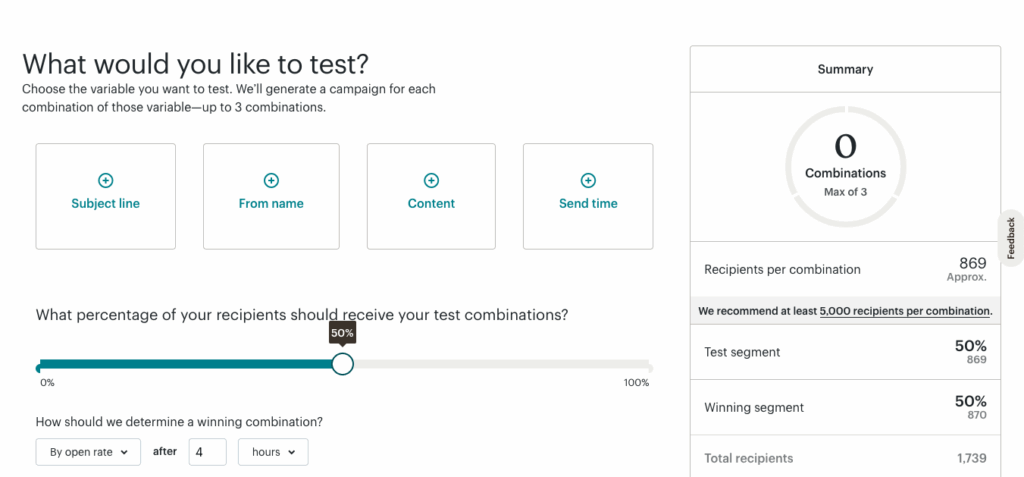
#14. Test Subject Lines
Some newsletter platforms let you test a subject line to see if it’s a winner. Take advantage of the opportunity.
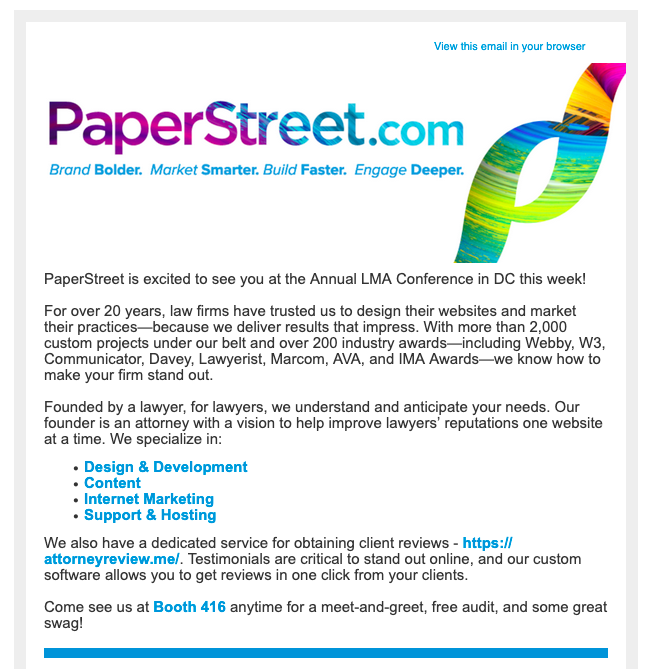
#15. Keep It Short & Sweet
Newsletters shouldn’t be a dissertation. Keep it to the point so you don’t lose your subscriber’s interest.
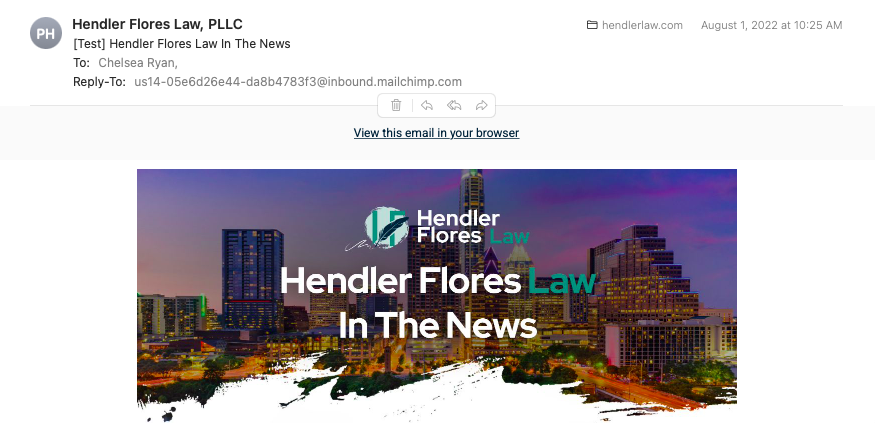
#16. Design for Inboxes, Not the Web
Newsletter design has come a long way, but always remember the ultimate goal is to get in readers’ inboxes. This can’t be done with big files for images, videos, etc.
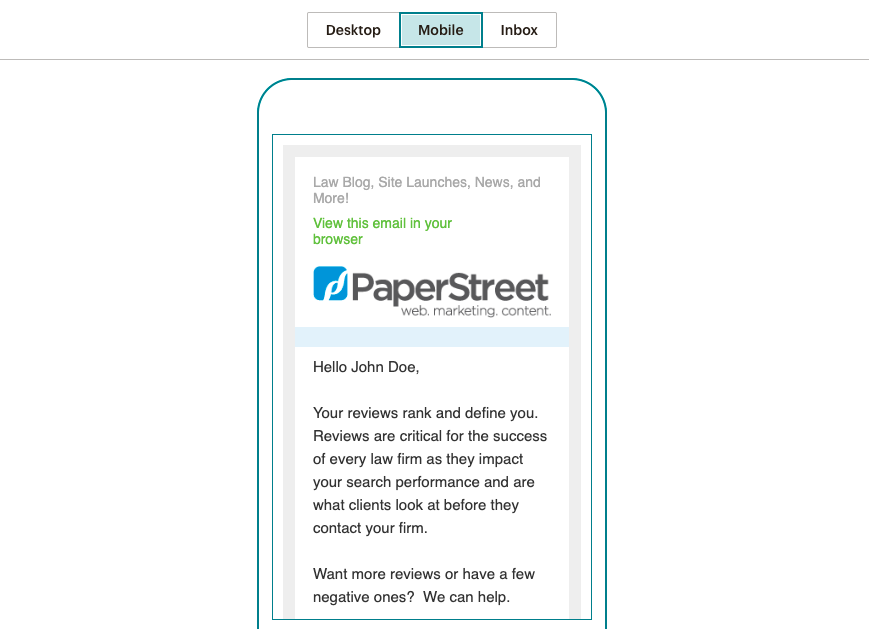
#17. Mobile Optimization
Since the majority of people use mobile devices to check their email, you’ll want to make sure your newsletter not only looks good but also offers a positive user experience on all devices. Keep emails free of clutter and be mindful of the amount of copy- subscribers will definitely appreciate not having to scroll endlessly on their phones.
#18. Keep Your Goal in Mind
Newsletters have the unique goal in moving the reader from their inbox to your website. Keep this in mind when writing your content and make sure you include plenty of easy to navigate opportunities for a subscriber to make the move.
#19. Choose a Familiar Sender Name
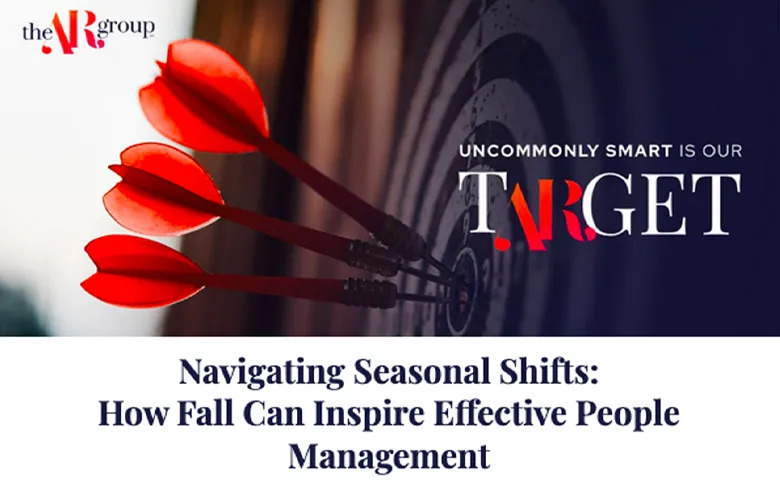
Do you normally open emails from people you don’t know? Exactly. Choose a sender name that most of your subscribers are familiar with and they will feel more comfortable opening it.

#20. Test Your Letter Before Sending Out
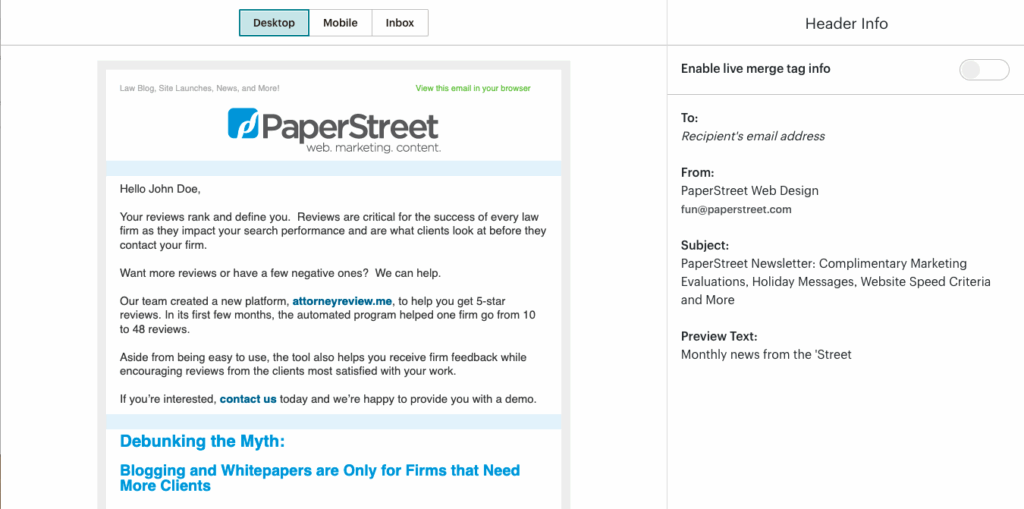
Always send a test email to yourself and a few volunteers (bonus points if they use different email programs). This gives you the chance to catch any mistakes and see what the finished product will look like in inboxes.
#21. Include a Signup Form on Your Website
This helps grow your audience and guarantees you always have proof of permission for your subscriber list.
#22. Commit to a Sending Rhythm
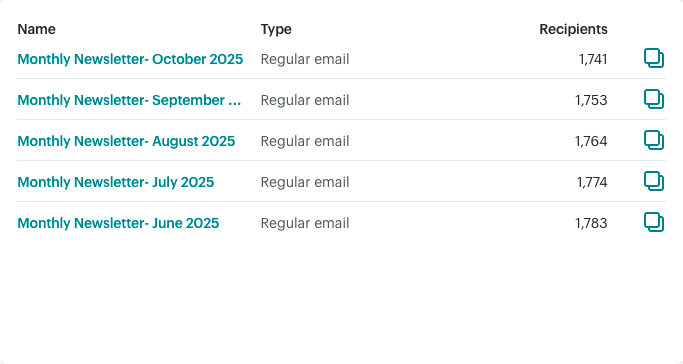
Send a newsletter regularly as opposed to sporadically. You want to constantly nurture your subscribers.
#23. What IS the Best Sending Rhythm?
Whatever works best for your business! It could be weekly, monthly or quarterly. Just make sure it is a realistic goal you can stick to and is in line with your subscribers’ expectations.
#24. Source Content
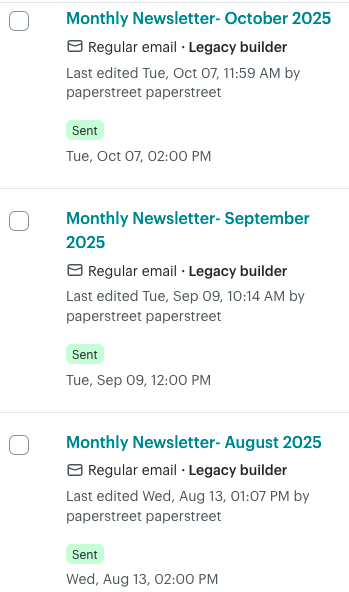
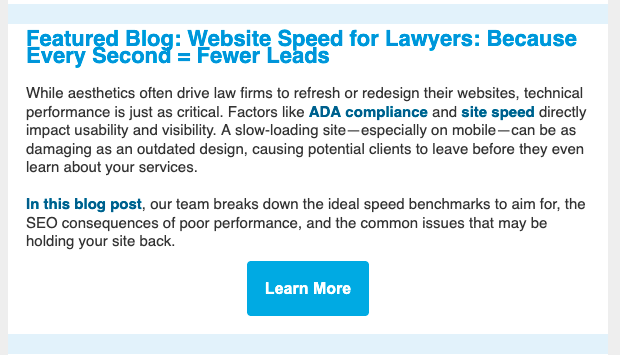
It may seem like a wild idea, but not ALL the content in your newsletter needs to be authored by you. Feel free to curate content from other sources. It’s sharing info and shows your expertise to subscribers.
#25. Get Nerdy and Analyze Those Campaign Reports
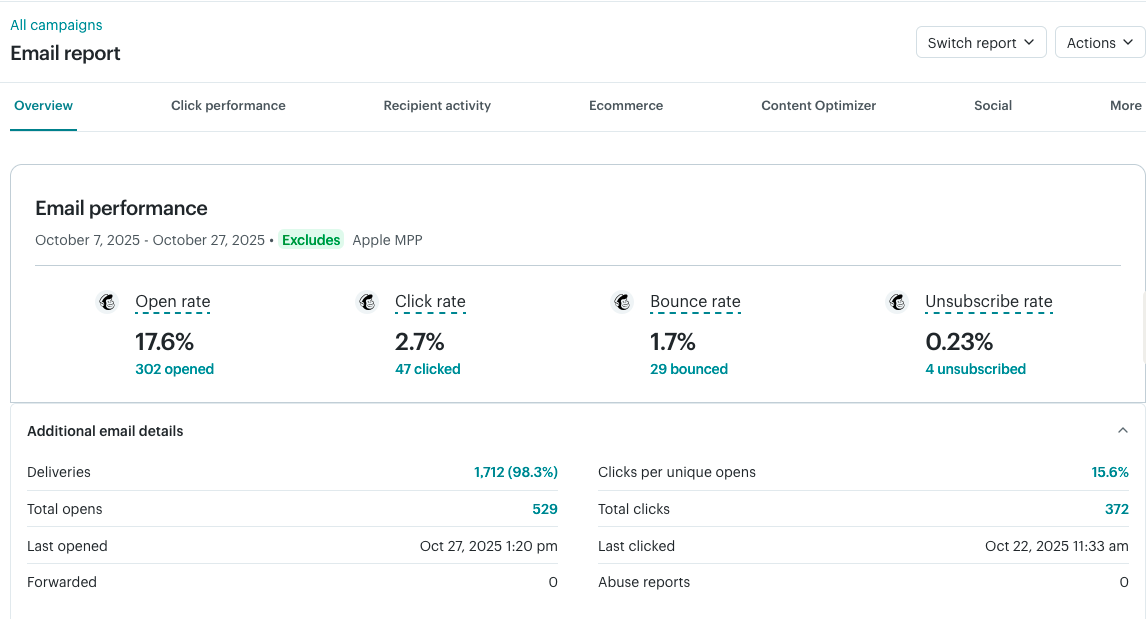
Most (if not all) newsletter programs offer reports for email campaigns — use it to your advantage! Reviewing analytics can help decipher which links are getting the most traffic and what content is resonating with your subscribers.
#26. Turn That Data into Action
You’ve read the data. Now what? Put it to use! That analysis can help produce content ideas, segment your subscriber list based on interests, and decipher the best time to send your letter.
#27. Engage Subscribers
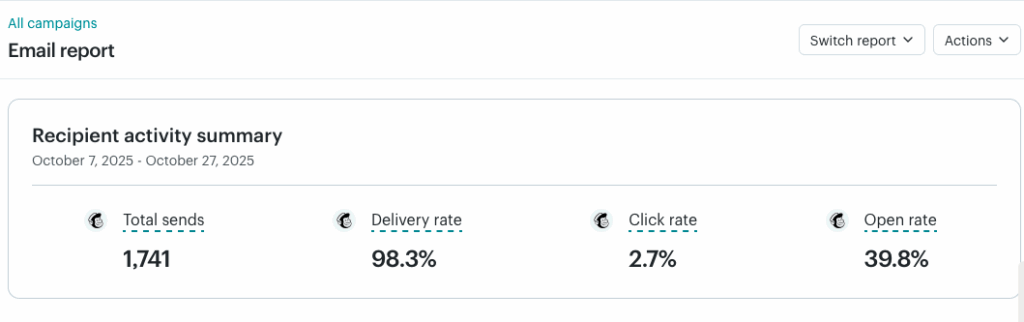
Several privacy-related changes (especially Apple’s updated privacy settings) have made open rates a much less reliable metric for email marketing. Due to this metrics such as clicks and click-through rate will become more useful. This puts an importance on creating content users want to engage with that includes call to actions for reading blogs on your site, downloading resources or requesting a call.

#28. Storytelling & Connection
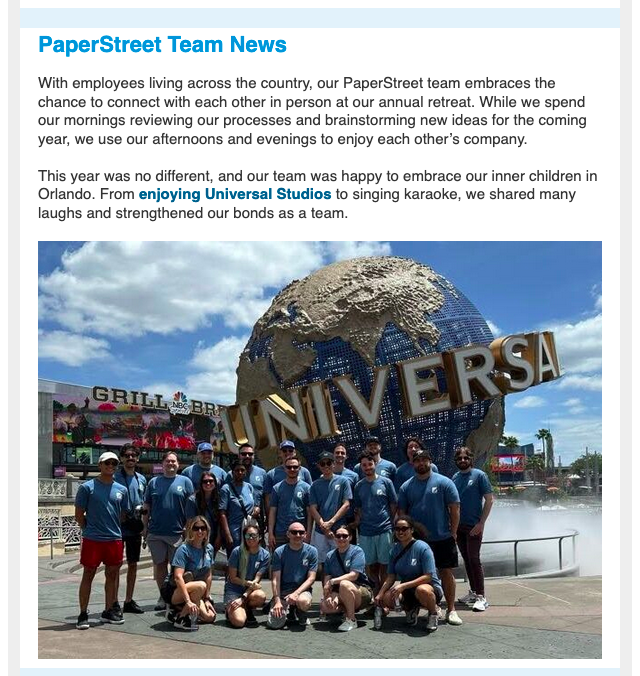
Consumers are looking to connect with brands and businesses by knowing who they’re buying from and what they stand for. Build relationships with your subscribers by telling your company’s story and show your brand personality in newsletters by sharing behind-the-scenes of your teams’ events, office and stories.
Boost Your Traffic with Newsletters by PaperStreet
PaperStreet has a team of attorney writers to help with your newsletter writing needs.